Chung
Bulgogi: A Go-To Dish for Busy College Students
___________________
JAN 30, 2025 | Jessica Chung

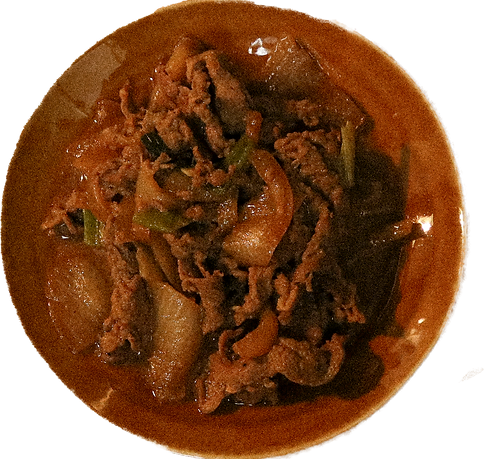
What if I told you that one of the easiest ways to feel at home in college is through your stomach?
College life has just started, and so has independence.
For many students, including me, that means learning how to cook.
Cooking?
At first, it sounded like a hassle.
But trust me, it’s not as bad as you think—especially once you know what to eat.
As a college student, having something satisfying to eat is essential for staying energized and focused.
Cooking your own meals not only saves money but also helps you build a healthy routine during this new chapter of independence. Exploring diverse foods makes cooking less of a chore and more of an adventure, sparking creativity and broadening your palate. Learning to prepare dishes from various cultures, like bulgogi or pasta, keeps meals exciting and inspires you to experiment in the kitchen. Plus, it’s a valuable skill that connects you to different traditions, making cooking both practical and deeply rewarding.
For me, as a Korean studying abroad, the ultimate comfort food is bulgogi.
불고기:bulgogi
Bulgogi, meaning “fire meat,” (it does taste fire) is not only delicious but also super easy to make. It’s a lifesaver for busy days when you don’t want to spend hours in the kitchen.
A quick fry in the pan, and you’ve got yourself a satisfying, nutritious, satisfying meal.

Historically, bulgogi dates back to Korea’s Goguryeo Kingdom (37 BC–668 AD) and has evolved over the centuries into the flavorful dish we know today. Back then, it was enjoyed as grilled meat, often served during special occasions. Now, it’s a beloved everyday dish that combines sweet, savory, and smoky flavors.
Koreans enjoying a dinner of grilled meat and alcohol during the 18th century. Photo on Public Domain.
Bulgogi’s rise to global popularity is a mix of Korea’s cultural influence, food trends, and sheer deliciousness. Originally enjoyed by Korean royals, bulgogi evolved into an everyday dish, thanks to its flavorful marinade and quick cooking method. As Korean immigration grew in the 20th century, so did the presence of Korean food, especially in the U.S. and Japan.
The real explosion came with Hallyu, 한류, or the Korean Wave. K-pop, K-dramas, and social media introduced global audiences to Korean cuisine, making bulgogi a standout dish. Korean BBQ restaurants became trendy, attracting food lovers worldwide. The dish’s balance of sweet, savory, and smoky flavors appeals to diverse palates, and its versatility—served with rice, in wraps, or even as a burger topping—adds to its appeal. Today, bulgogi is a staple in international supermarkets, fusion cuisine, and fast-food menus, proving that great flavors know no borders.
Enough talking, let’s get to the main point.
essential
optional
Ingredients
for 2-3 servings
Mirin
soysauce
Carrot
Mushroom


Cooking in college might seem intimidating at first, but it quickly becomes a rewarding part of independent life. Making your own meals saves money, helps build healthy habits, and even allows you to explore different cultures through food.
For me, bulgogi is more than just a meal—it’s a comforting taste of home that’s easy to prepare and full of history. Whether you’re looking for a quick, satisfying dish or a way to connect with new flavors, cooking can be an adventure.
So, why not start with something simple and delicious?
You might discover a new favorite along the way.
fancier, richer authentic bulgogi recipe